




Chasing Spray on the Peak District Trails

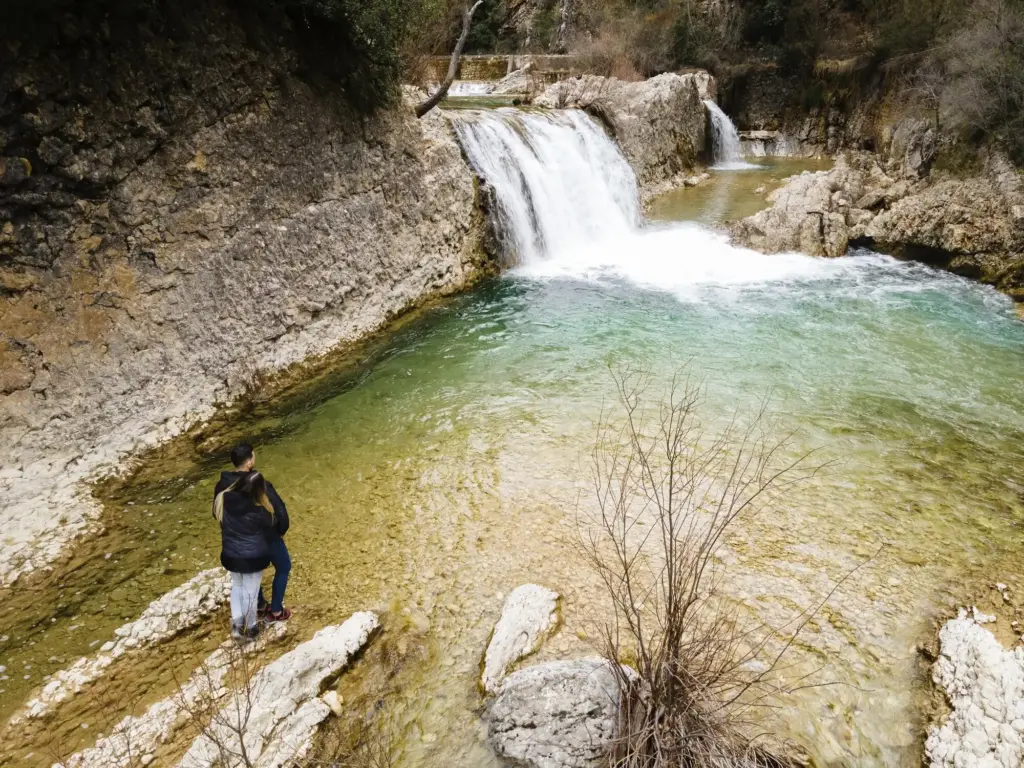
Let’s lace up for trail running circuits linking the Peak District’s most stirring waterfalls, weaving airy ridgelines with mossy cloughs to visit Kinder Downfall, Three Shires Head, Padley Gorge, and Lumsdale’s historic cascades. Expect pragmatic planning, safety wisdom, seasonal timing, skills, and community stories that help you move lightly, stay inspired, and return eager to share your own flowing lines.

Crafting Loops Between Cascades

Designing satisfying circuits means stitching together ridgelines, clough bottoms, and woodland paths so every crest or bend reveals fresh water, stone, and sky. We’ll combine runnable surfaces with playful technical stretches, minimizing tarmac, honoring access guidance, and prioritizing flow so the journey between falls feels as rewarding as the destinations themselves.
Begin at Hayfield’s Bowden Bridge, roll past Kinder Reservoir, then climb William Clough to gain the plateau. Track the Pennine Way to Kinder Downfall, where westerlies sometimes fling the plume skyward. Return via Sandy Heys or Kinder Low for expansive gritstone views. Expect peat groughs, variable weather, occasional clag, and a joyous mix of runnable slabs and soft moor, around 16–22 kilometers depending on options.
From Gradbach or Clough House, follow cushioned paths through heather and pasture to the packhorse bridge at Three Shires Head, where the River Dane chatters into clear pools and small falls. Extend north to the moss-lined chasm of Lud’s Church, moving gently to protect fragile vegetation. Short, steep pitches, slippery stone, and photo pauses keep cadence playful across a 12–15 kilometer loop with generous character.
Start near Longshaw or Grindleford and let Burbage Brook’s cascades guide you through birch and boulder gardens before climbing to Burbage South Edge for skyline running above dark grit. Thread Surprise View, pick old packhorse lines, then drift back under oaks. Roots demand nimble feet, weekend crowds ask for courtesy, and light changes constantly in this delightful 10–18 kilometer tapestry of water, rock, and wind.

Seasonality, Flow, and Best Timing

{{SECTION_SUBTITLE}}

Winter Drama and Wind-Blown Plumes

When polar air bites and westerlies rage, Kinder Downfall can reverse, its spray hurled upward in ghostly veils. Beauty spikes, but hazards multiply: ice on flagstones, numbing spray, and short daylight. Pack microspikes, spare gloves, a hot drink, and a robust headtorch. Check MWIS or Met Office mountain area forecasts, write a route card, and keep turnaround times conservative when clag swallows the plateau.

Spring Light, Bluebells, and Nesting Birds

Padley Gorge glows with fresh leaves and bluebells, but life on open moor is delicate. Ground-nesting birds need space, lambing seasons need quiet, and dogs belong on short leads where signed. Flows usually steady, temperatures kind, yet ticks wake and storms still snap. Step gently, favor established lines, and trade personal bests for time to notice wood anemone, wagtails, and the scent of wet bark after showers.

Safety, Access, and Respectful Footsteps

The most memorable circuits honor place as much as pace. That means reading access notes, staying on durable surfaces, avoiding wall climbs, yielding trails politely, and leaving every site cleaner than found. Some heritage valleys, including parts of Lumsdale, carry sensitive protections and evolving guidance, so check official notices before visiting and adapt routes gladly for conservation and your own well-being.

Footwear, Clothing, and Pack Essentials

Waterfalls mean wet rock, slick roots, peaty bog, and breezy edges. Kit that drains fast, grips hard, and blocks wind keeps your smile relaxed when trails turn playful or wild. Choose reliable layers, a compact safety core, and thoughtful nutrition so you can enjoy every detour, scramble, and photo stop without worrying about cold fingers or sore arches.

Skills for Wet Rock, Peat, and Steep Ground

Technique makes difficult terrain feel friendly. Focus on small, quiet feet, stacked posture, and eyes scanning where you’ll be in two or three steps. Practice climbing restraint, descending confidence, and deliberate creek crossings when conditions are forgiving, so muscle memory steadies you when gusts, spray, or fatigue add delightful complication to your chosen circuit.

Efficient Climbing on Long, Soft Slopes

Shorten stride, quicken cadence, and keep heels light when moor paths steepen. Hands-on-knees hiking saves calves for later, while poles—used courteously—shift load on sustained ramps. Breathe deep and rhythmic, pace by conversation, and look a few meters ahead. On soggy peat, avoid stamping; instead, place feet gently on firmer tussocks, linking a quiet zigzag that spares soil and spares your quads.
Confident Descending on Slick Slabs and Roots

Scan, decide, then commit. Brake before corners, not on them; keep hips above midfoot; and let knees and ankles stay soft like springs. Use edges of gritstone for micro-traction and step over rather than on obvious roots. Keep arms relaxed for balance and cap speed where a slip means cold water. Rehearsing on low-stakes sections builds trust before playful plunges beside beck and fall.

Crossing Brooks Without Drama

Approach diagonally downstream where pressure eases, feel for firm cobbles with poles, and keep steps short but purposeful. Unclip pack straps, loosen chest sternum, and accept wet feet as part of the story. If uncertainty lingers, retreat cheerfully and replot. Practice when flows are low so habits persist when spray, noise, and companions’ excitement tempt hurried choices near luminous, slippery edges.

Navigation, Mapping, and GPX Confidence

Linking falls efficiently rewards curiosity about contours, catchments, and the fine print of rights-of-way. Blend paper reliability with digital clarity: plan on OS sheets, confirm on apps, then run by compass and intuition. You will move faster, improvise safer alternatives, and see more water with less backtracking when the landscape becomes a readable story under your feet.

Field Notes That Help Others Thrive

After your run, jot distance, elevation, surface quirks, flow conditions, and any reroutes that improved safety or scenery. Share what worked for footwear and layers, plus precise timings between features. Add candid reflections about energy dips, joyful surprises, or quiet moments by a fall. Your voice might spare someone avoidable stress and inspire a better, kinder loop for their weekend.

Photography With Heart and Good Sense

Compose frames that respect edges, nests, and privacy. Skip drones where restricted, step lightly to avoid trampling moss, and include alt text when posting so more people can enjoy your images. Seek texture—spray beads, lichen, grain of gritstone—rather than perilous stances. Tell small stories about sound, temperature, and smell, inviting others to experience waterfalls beyond pixels and bravado.

Group Runs, Meetups, and Staying Connected

Propose monthly circuits alternating Dark and White Peak flavours, with pace groups and clear safety briefs. Carshare or ride the Hope Valley Line when possible, and adjust plans if weather spikes or flows surge. Sign up for our newsletter, bring a friend, and leave a comment sharing your favorite link-up. Together, we can learn, protect, and keep finding new, musical miles.

Siramiraravo
Privacy Overview

This website uses cookies so that we can provide you with the best user experience possible. Cookie information is stored in your browser and performs functions such as recognising you when you return to our website and helping our team to understand which sections of the website you find most interesting and useful.