

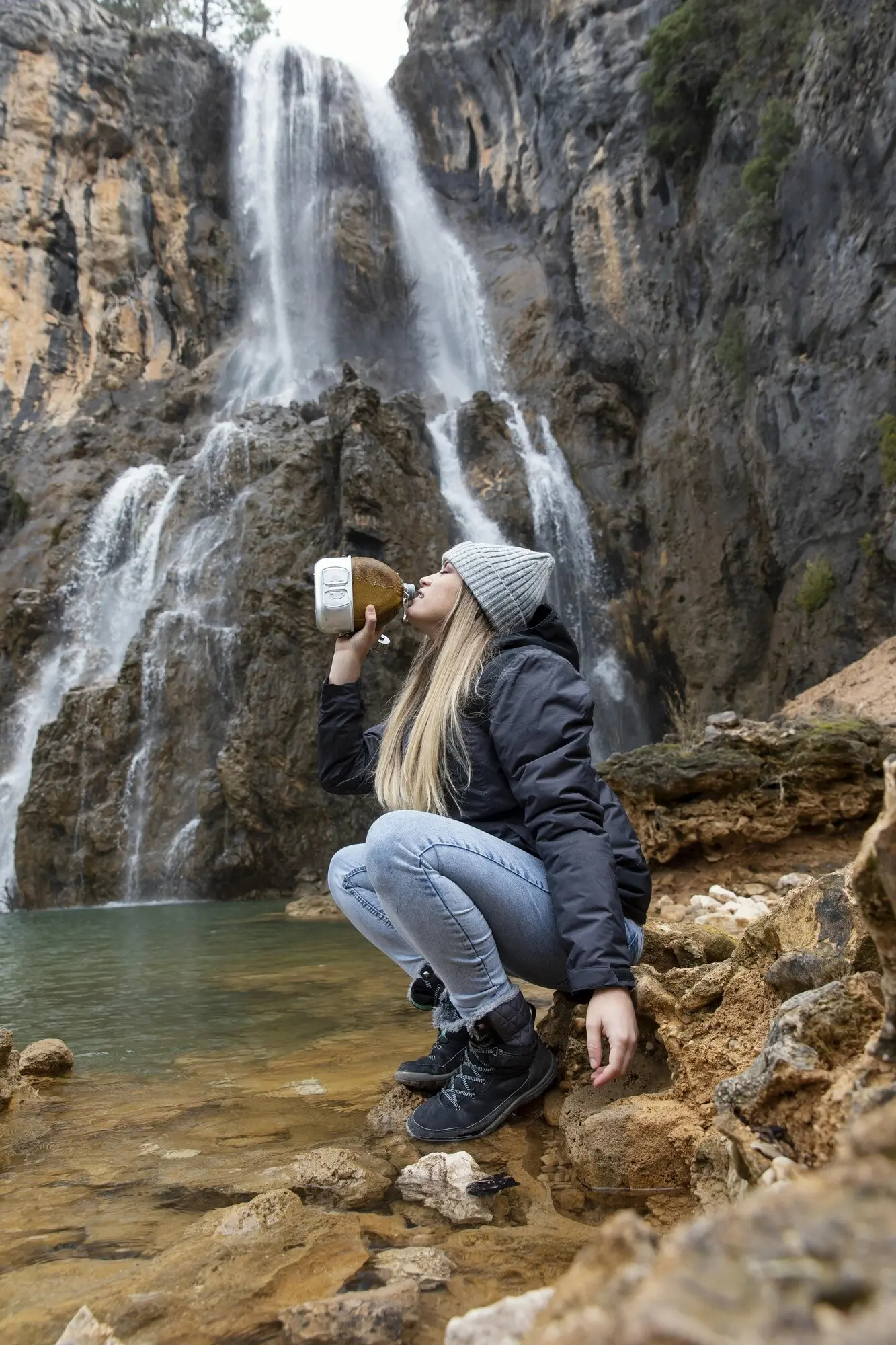
Estimating flow the simple way
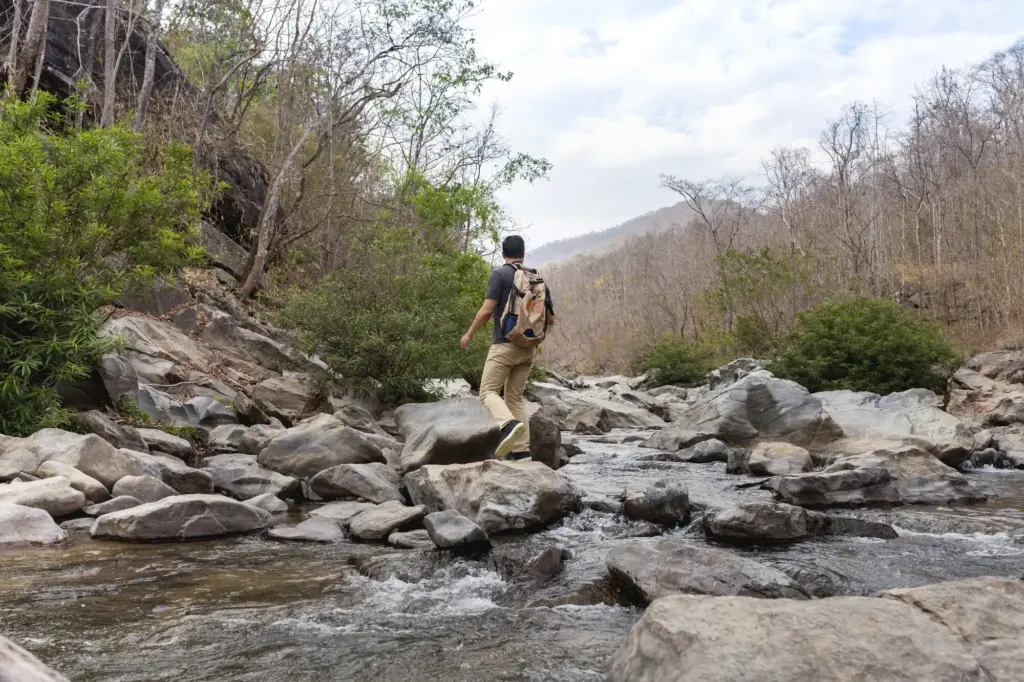
Time a floating leaf over a measured distance, repeat several times across the channel, and sketch cross-sections to estimate discharge. Pair photos with rainfall data and river-level graphs where available. Even rough numbers illuminate lag times, flashiness, and the calming influence of wetlands or woodlands.
Reading rocks like a field notebook
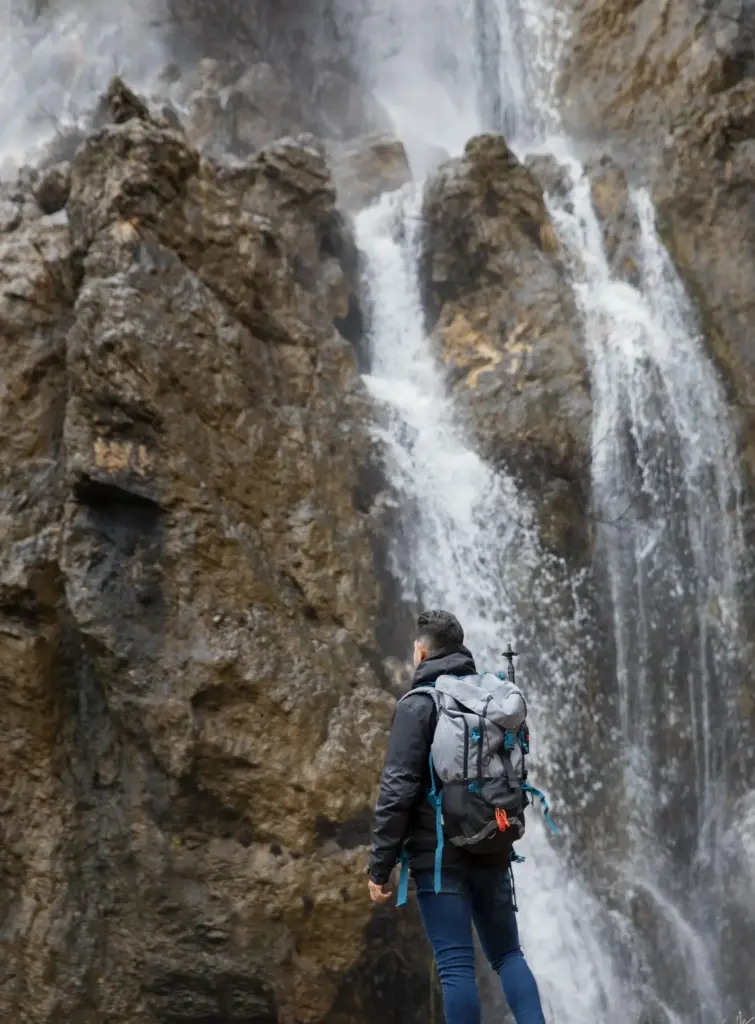
Examine grain size, rounding, and cement; gritstone feels sandpapery, while limestone may reveal shell fragments and reacts weakly to vinegar. Map how layers dip relative to the falls. Document fractures guiding flow, then step back to consider how micro-features scale up to entire cascades.
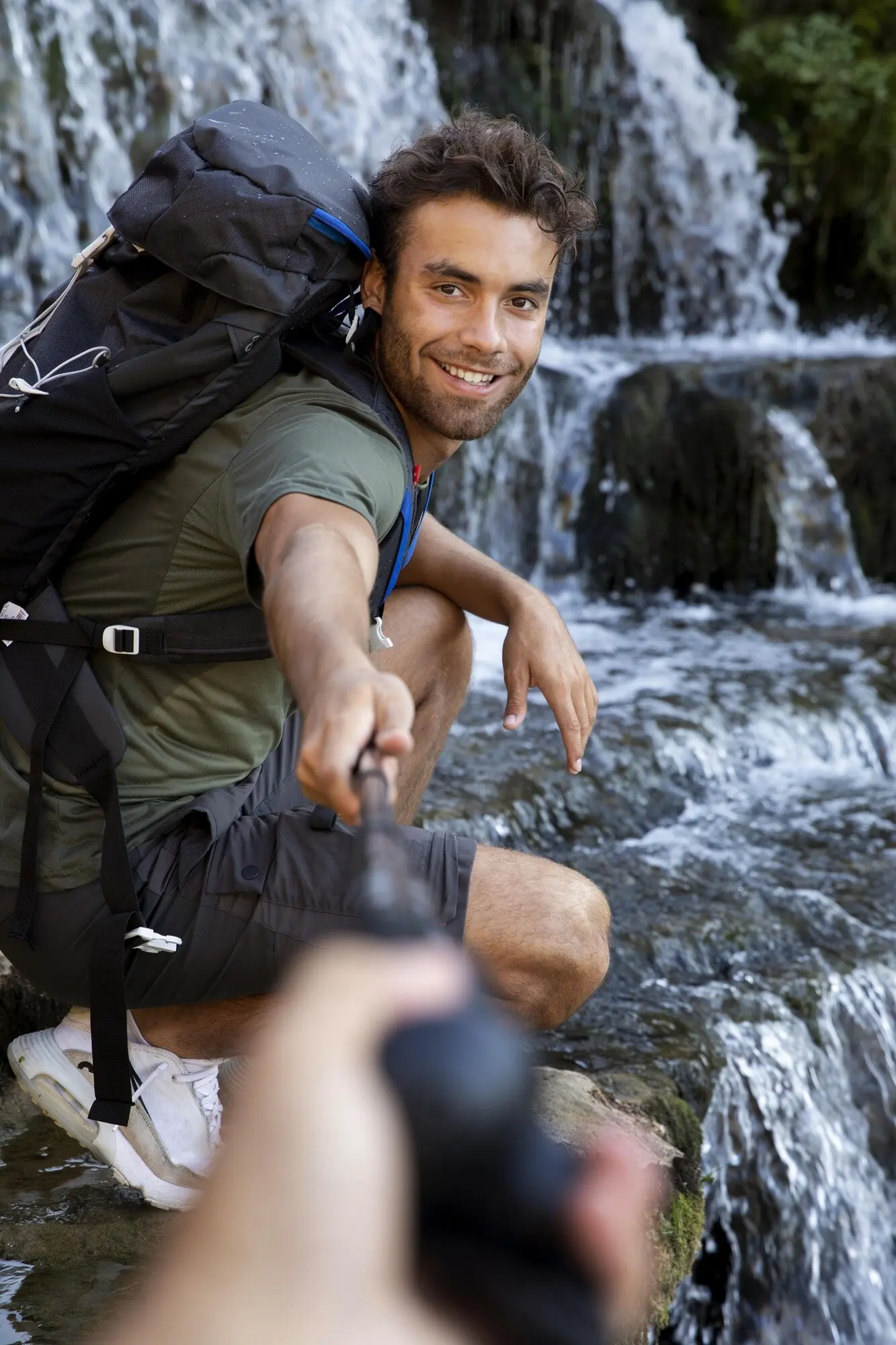
Staying safe and leaving no trace
Beware undercut edges, slick algae, and surges from upstream storms. Keep dogs leashed near livestock and cliffs, follow access guidance, and avoid trampling tufa or rare plants. Share observations generously but never geotag fragile spots, protecting places that cannot recover easily from crowds.