Seasons Alive by the Peak District’s Waterfalls
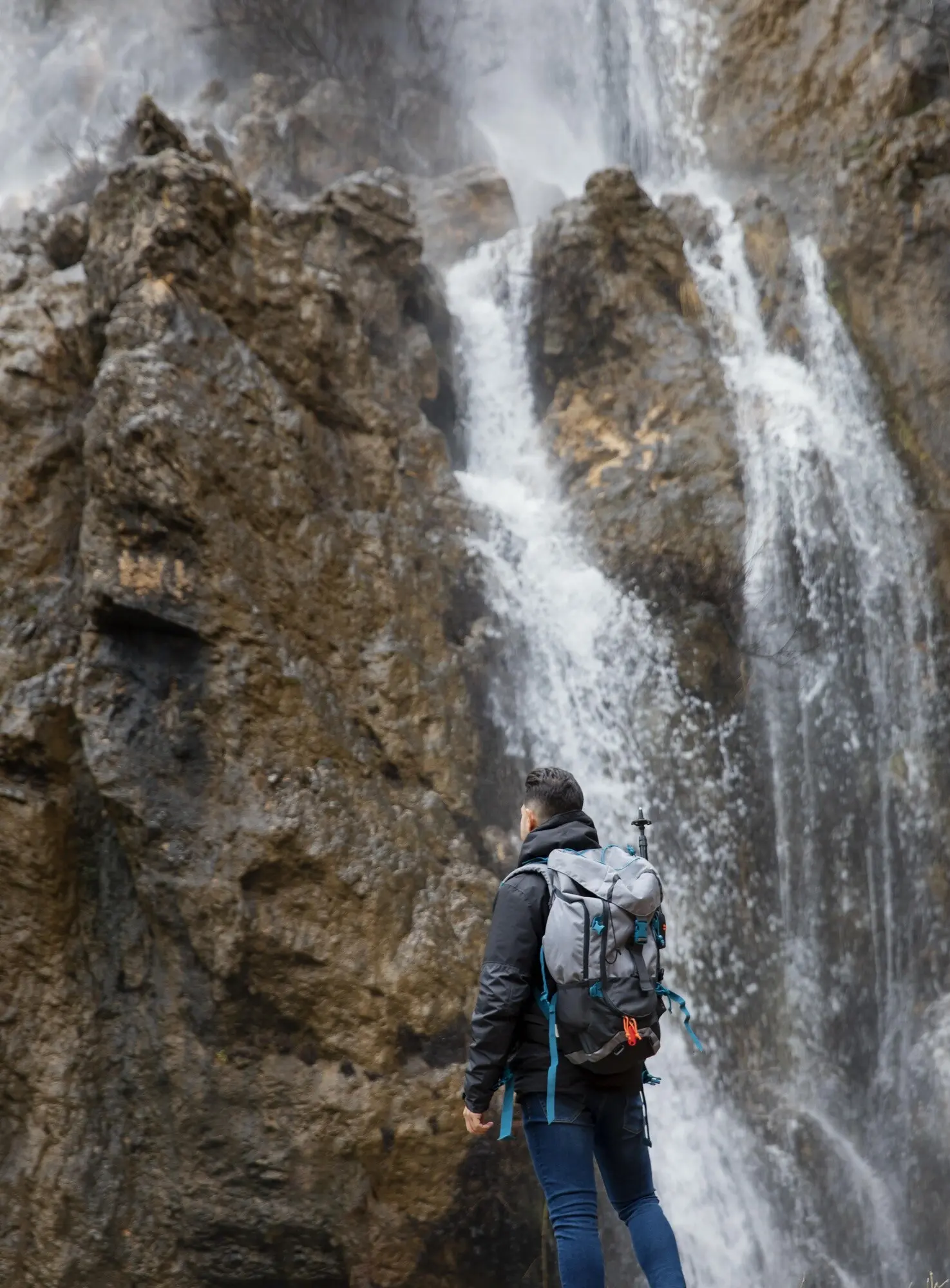
Step beside the spray and follow a yearlong journey through the Peak District’s waterfalls, where wildlife and plant life transform with every season. We’ll notice dippers and grey wagtails, carpets of wild garlic, jewel-bright damselflies, autumn fungi, and winter’s resilient mosses, all thriving within cool mist and roaring water. Share your sightings, memories, and questions as we explore respectful ways to witness these changes and keep returning, month after month, to see what the next flow reveals.

Spring Unfurls Beside the Cascades

As daylight stretches and snowmelt swells the becks, life awakens along ledges, plunge pools, and dripping grottoes. Birdsong rides the roar, fern croziers uncurl from glossy hearts, and hedgerow scents drift toward hidden coves. Nesting birds keep close to the spray, while amphibian life stirs beneath leaf litter. The air carries promise, soft mud records fresh tracks, and every flushed green seems painted by water’s steady hand.

Summer Spray and Quick Silver Wings

Warmth concentrates life where sunlight breaks through canopy and mist cools the skin. Dragonflies patrol shining crowns above rock basins as children’s laughter echoes from safe paddling shallows downstream. Ferns make green theatres for crickets and hoverflies, while swifts carve crescents through blue. At dusk, bats skim mirrored reaches for hatching insects. The water, lower now, reveals ledges, polished potholes, and secret niches of stubborn shade.

Dragonflies Patrol the Pools

Banded and beautiful demoiselles flare metallic blues over calmer margins, while hawkers write urgent zigzags where the current eases. Watch for territorial chases that end on sun-warmed stones, wings glittering like stained glass. Nymphs bide their time among waterweed and cobbles, armored and patient. Bring binoculars for close views without wading too near, and linger where sunlight stitches dapples through leaves, pulling brilliant colors from the hovering air.

Twilight Hunters Skim the Surface

When daylight thins, Daubenton’s bats trace tight arcs inches above the water, scooping midges with practiced grace. Swifts shriek farewell loops before slipping into distant eaves, and a kingfisher’s electric streak can flash along a glassy glide. Let eyes adjust, hush your steps, and stand well back from steep, slick edges. The waterfall’s breath cools your face, and every ripple becomes a runway for night’s aviators.

Ferns and Cool Grottoes

Step into the spray-chilled alcoves where hart’s-tongue, lady fern, and brittle bladder-fern anchor glossy fronds into fissures of stone. Here humidity sculpts a miniature rainforest, bead by bead. Look closely at liverwort fans shining like wet lacquer on shaded overhangs. Photograph with a slow shutter for silk-soft water and a reflector to lift green tones. Keep bags off mossy stages, preserving fragile cushions that took years to weave.

Autumn Mists and Woodland Glow

Tawny light pools under birch and beech as rivers gather the year’s leaf-fall into rustling processions. Water grows tea-dark with tannins from moorland above, and fungi colonize every quiet corner. Trout rise at afternoon hatches, then vanish as fog drapes the gorge. Rowan and hawthorn hold jeweled clusters for hungry migrants. Boots scuff through bronze drift, and the falls lift a cinnamon perfume from soaked, breathing soil.

Winter Silence, Carved by Ice

The falls harden their voice to a colder register, threading icicles like glass organ pipes along shaded lips. Spray needles into beardlike rime, and boulders grow sugar crusts at dawn. Dippers keep singing through flurries, fierce and unconquered, while wrens flicker like sparks in bramble hearths. Step carefully, keep back from undercut banks, and let quiet magnify subtle signs: a single feather, a silvered paw print, a faint musk of otter.
Winter rewards attention to the small and steadfast. The dipper’s song carries clear as hammered metal, staking claims beside half-frozen eddies. A heron stands monk-still in the slowest seam. Wren and robin mine tangles for larvae. Move slowly, exhale foggy constellations, and use gloves that let fingers work a camera without fumbling. Respect closures, avoid icy rocks, and keep an emergency flask so lingering becomes a warm invitation, not a risk.
Gritstone shoulders wear intricate scripts of crusts and cushions, chartreuse, ash, and olive, their patient chemistry pulling minerals into fragile color. On old branches, pale frills hint at cleaner air and long stability. Try macro frames that isolate patterns into abstract maps. Never scrape, never pry; a thumbnail’s force can undo decades. Winter’s oblique light reveals relief you miss in summer, turning each quiet patch into a continent of time.

Geology Shapes the Living Edges

Stone sets the stage. Where limestone frames the falls, water carries dissolved minerals that favor polished tufa rims, lime-loving ferns, and clear pools. Gritstone gorges, by contrast, pour tea-stained torrents from heather moor, carving potholes and ledges under acid rain. These contrasts create mosaics of niches—cool, bright, damp, dark—inviting different communities to anchor. Learn to read rock, and the arrangement of moss, flower, and bird begins to explain itself.

Limestone Ledges and Lime-Loving Blooms

Seek damp stairways where maidenhair spleenwort and hart’s-tongue fern nestle into creamy fissures, shining after showers. Water avens nods along seepage lines, and ramsons flood woodland floors in late spring. Tufa dams, where they persist, host miniature gardens. Keep boots off crumbly rims, avoid touching mineral growths, and photograph from the side to show their layered texture. Limestone’s generosity grows a different palette, and every plant spells chemistry in green, gold, and white.

Gritstone Grooves and Moorland Memory

Above the dark gullies, heather and bilberry quilt the moors, draining peat-stained trickles that sharpen into amber ribbons over gritstone steps. Expect fewer calcicole specialists and more bog-tolerant mosses where spray meets acid run-off. In spate, falls thunder; in drought, they etch secret inscriptions. Frame wider landscapes to include russet moor under big weather. Understand that water chemistry here leans leaner, so communities wear subtler colors, sculpted by exposure and wind.

Microclimates in the Mist

Stand in the fine, cooling rain that never lands, and feel how a meter changes everything. Mosses thicken toward the plume, liverworts flare on underside lips, and ferns colonize drips like clockwork. Even insects arrange territories by degrees of damp. Try a grid of photos from dry edge to soaked core, mapping species shifts. Such patience reveals how falling water engineers countless rooms, each a tiny house with precise humidity and light.

Paths, Care, and Safer Encounters

Photograph with Patience, Not Pressure

Start far, then closer only if behavior stays calm. Birds preening, feeding, or singing are comfortable; alarm calls or fidgeting say step back. Use a tripod on stable ground, neutral density filters for silky flows, and telephoto for dippers without edging onto slick ledges. Silence bursts, pause often, and let the river set the tempo. The best frame honors the subject’s space, turning restraint into compositional grace.

Tread Lightly, Heal Quickly

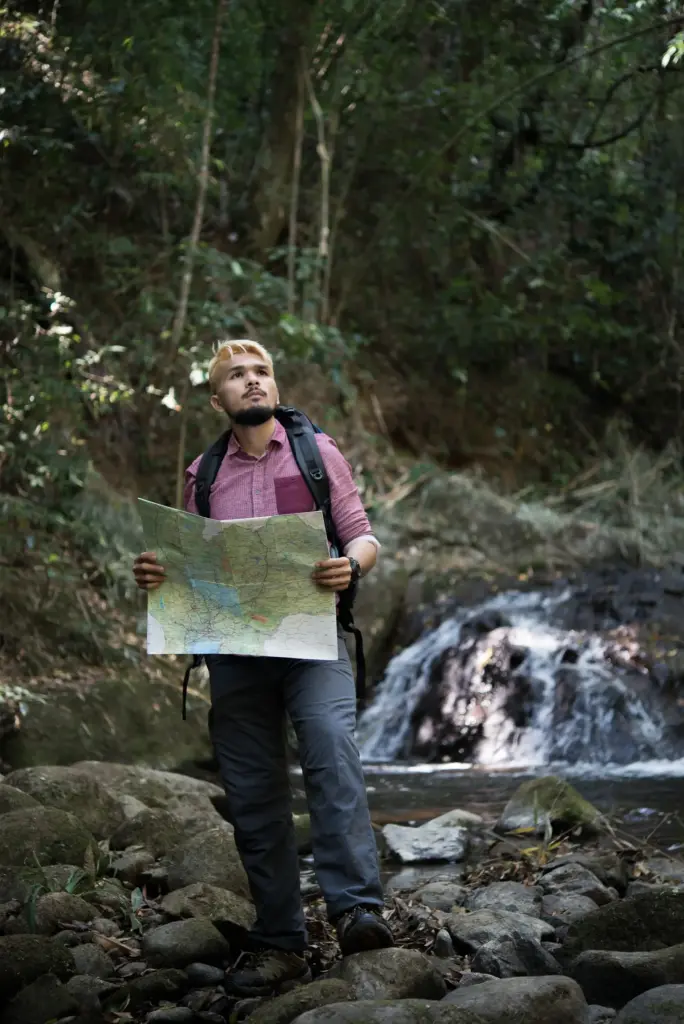
Choose durable surfaces: stone, gravel, or hard-packed paths. Avoid moss pads, seedling fern clusters, and crumbling tufa. Brush boots before and after to slow hitchhiking spores and invasives. If you slip, pause, breathe, and reassess rather than scrambling through bankside habitats. A small reroute spares decades of growth. Carry a small litter bag, spare whistle, and a map, making your visit a repair rather than a cost to the place.

Share Sightings, Grow Community

Tell us what you noticed: first demoiselles of summer, a dipper’s winter song, a fresh ring of fungi after rain. Add measured details—date, weather, water level—so others can learn. Post respectfully cropped images, blur locations for sensitive wildlife, and invite beginners along. Subscribe for seasonal prompts, citizen-science links, and gentle challenges that deepen field skills. Together, our quiet observations become a living calendar stitched by water and time.
Siramiraravo
Privacy Overview

This website uses cookies so that we can provide you with the best user experience possible. Cookie information is stored in your browser and performs functions such as recognising you when you return to our website and helping our team to understand which sections of the website you find most interesting and useful.